
How to Keep Your Garage Warm in the Winter

Preparing your garage for winter is a vital, but often overlooked, part of the winterization process. In this article, we'll share some handy tips on winterizing your garage and maintaining a cozy temperature for you and your family this year.
Why Is Your Garage So Cold in the Winter?
People often wonder why they struggle to keep their garages warm and experience low temperatures in the winter, even in places with milder winters. Generally, it comes down to a few main aspects:
Lack Of Insulation: Since they're considered more of an outbuilding than a part of your main home, garages often don't have the same insulation levels that most rooms in your house do.
Outdated Doors And Windows: In older homes or those constructed on a lower budget, older styles of doors and windows may be used. These products are less protective against the cold.
No Heat Generation: Since garages are not considered a part of the main home, they often don't benefit from the house's main heating system, which means they have cold coming in, but not heat.
Benefits of a warm garage
Keeping your garage warmer in winter can have some surprising benefits, including:
Lower Energy Bills: If your garage is attached to your home, it can become a heat sink, drawing warm air out of your home, since it remains cool. By improving your garage's thermal efficiency, you can significantly decrease your energy bills.
Vehicle Protection: Various vehicle components may suffer damage if they're allowed to freeze and thaw repeatedly. By keeping your garage warm in winter, you prevent this potential challenge and protect any other items stored there.
Increased Comfort: No one enjoys getting into a freezing cold car on a winter morning. When you insulate and heat your garage, it increases your comfort and makes those morning commutes a little more bearable.
9 Tips to Keep Your Garage Warm and Cozy this Winter
A cold garage can be uncomfortable and unpleasant during winter. But how can you make your garage warmer? Here are our top tips to do just that.
1. Install Wall Insulation
Insulating your walls is one of the best ways to keep your garage warm in winter. If you have a sturdy brick wall, it can be an excellent thermal battery, storing temperatures long after they've changed.
Unfortunately, you don't get to choose which temperatures the battery stores. Assuming the wall accumulates enough cold temperatures, it can keep releasing those into the garage, making it even colder. Insulating the walls keeps cold air out, warm air in, and everyone much more comfortable.
Be sure to insulate garages for multifamily dwellings and single-family dwellings for optimal energy efficiency.
2. Winterize the Garage Door
There are two different approaches to the garage door and winter insulation. The most efficient is to install an insulated garage door. These doors are fully insulated to prevent cold air from leaking into your garage.
The other approach is to insulate individual garage door components manually, which takes more time and effort. Unless you already know how to insulate a garage door for winter, a pre-insulated door is an excellent option. However, you can purchase an insulation kit containing everything you need for successful door insulation. Be aware that adding insulation to your existing garage door can add weight, potentially unbalancing the door and putting extra strain on the springs and opener. It's important to consider these factors before attempting a DIY insulation project.
3. Install Garage Heating
While it's likely one of the most obvious solutions, heating your garage can help keep it warm throughout the winter. Fortunately, you don't have to overhaul your heating system or invest in a large-scale heating solution. Even a small space heater can make a big difference in your garage's temperature.
The best ways to heat a garage in winter include:
Electric heaters
Gas heaters
Heat pumps
4. Check and Replace Weatherstripping
Weatherstripping is an essential insulating item to keep your garage warm. Before the winter season, check the weatherstripping under and around your garage doors.
Look for cracks, crumbling or other signs of damage — or, in some cases, weatherstripping that has completely disintegrated or fallen off. If needed, replace the damaged or missing strips to ensure your garage remains warm.
You can choose from diverse weatherstripping options, depending on your needs.
5. Seal Gaps and Cracks
While they may seem innocuous, small cracks and gaps can allow cold air to pour into your garage, undoing the effects of your other insulation attempts. Counteract this potentially problematic situation by caulking gaps around windows and cornices, and filling gaps in the walls with filling putty.
6. Weatherproof Floors and Ceilings
Your garage floor and ceiling can affect the overall temperature in the room. Warm air rises, so if the ceiling isn't properly sealed, you may lose heat through it.
Floors, on the other hand, can become an entry point for cold air. Since cold air sinks, floors like cement floors can emanate low temperatures if left uncovered. Depending on what you use your garage for, you have multiple potential coverings at your disposal, including:
Rubber mats or tiles
Carpeting and rugs
Epoxy or rubber coating
7. Replace Old Windows
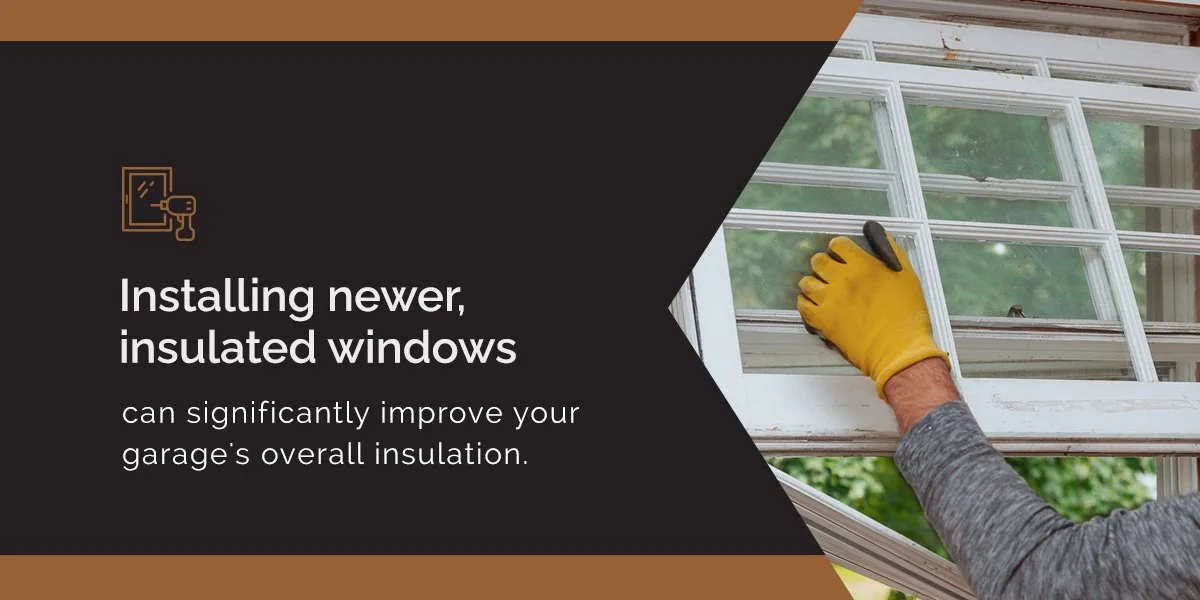
If your garage was built a long time ago, or without thermal efficiency in mind, your windows may be energy inefficient. Installing newer, insulated windows can significantly improve your garage's overall insulation. These windows help prevent temperatures from equalizing between the indoors and outdoors.
8. Use Door Sealers or Draft Stoppers
Installing a door sweep or movable draft stopper in your garage can create extra insurance against cold drafts. By preventing cold air from entering, you raise the overall temperature and ensure an adequate temperature for the insulation to maintain.
If you use a movable stopper, remove it when you leave for work in the mornings and install it at night to prevent cold drafts from entering.
9. Consider Using a Vestibule
Whether you decide to install one permanently or use a movable one in the cold season, a doorway vestibule is a fantastic way to maintain garage temperatures. These elements generally have one to two layers of plastic sheeting that form an air barrier between the inside of the garage and the outside.
This air barrier helps maintain temperatures and works year-round — keeping out hot air in summer and cold air in winter. Building a permanent vestibule is a useful way to maintain comfortable temperatures in every season.
Insulated Garage Doors: Your First Step
While all the tips mentioned above are excellent ways to keep your garage warm in winter, installing an insulated garage door should be your first step. Insulated garage doors offer benefits like:
Year-Round Comfort: Whether it's winter or summer, your insulated garage door will keep desirable temperatures in and undesirable temperatures out, increasing comfort.
Sound Absorption: An insulated garage door will absorb a certain amount of noise, making your garage a quieter and more comfortable place.
Improved Energy Efficiency: Insulated garage doors limit or eliminate temperature exchange between the indoors and outdoors, improving energy efficiency.
Easier Car Starting: When your car doesn't have to warm up before starting, you'll experience more efficient starting with minimal effort.
As one of the most significant potential entry points for cold air in a garage, the door is a priority in managing and maintaining temperatures year-round.
Keep Your Garage Warm This Winter With These Top Tips
By implementing these strategic tips for managing garage temperatures in the winter, you can ensure your garage stays comfortable and gives you the energy efficiency you need. If you're not sure where to begin, consider contacting an expert at Smoker Door Sales. They'll be able to guide you through the process and prioritize tasks by effectiveness.